

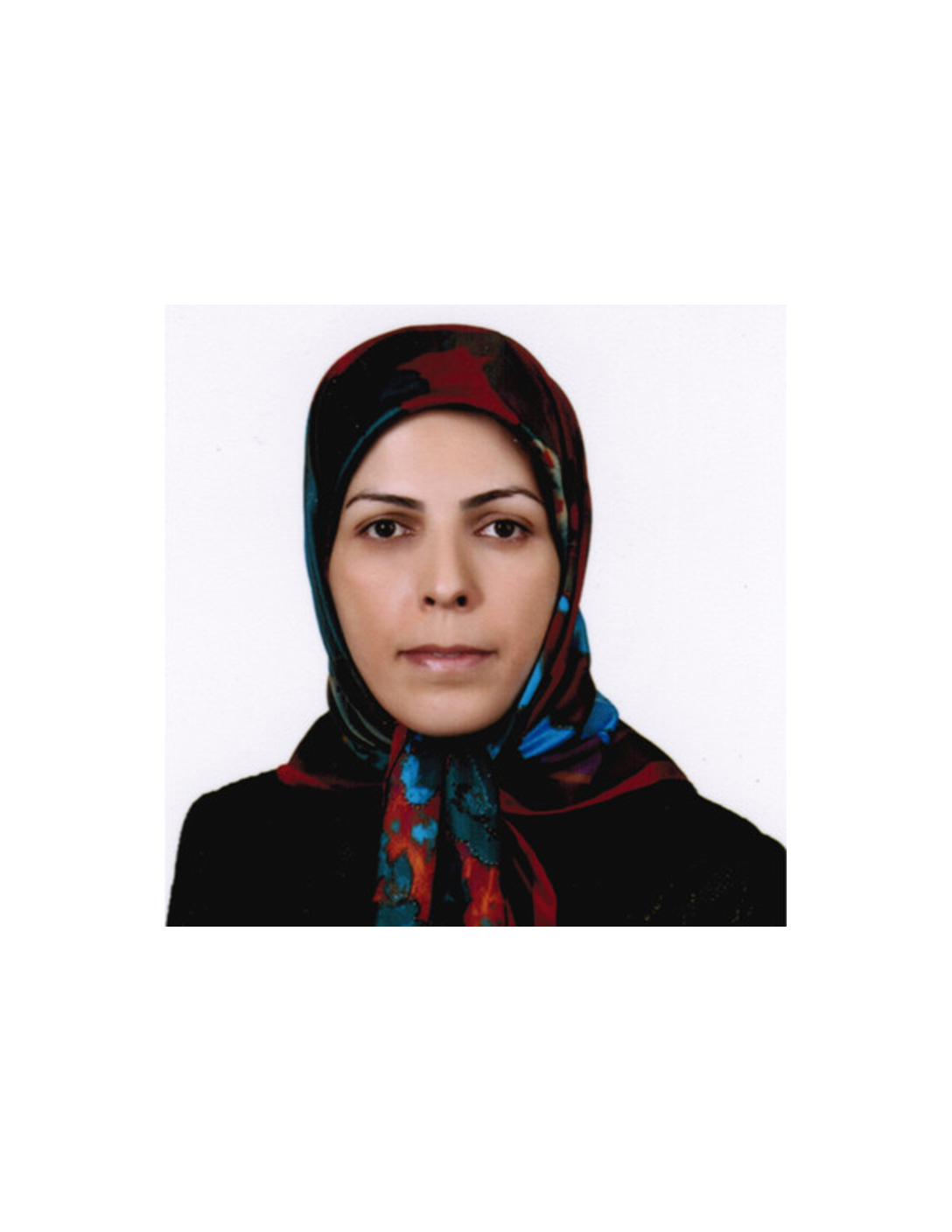
Dr. Mina Aminghafari is an Associate Professor in the Department of Mathematics and Statistics at the University of Calgary. Her research lies at the intersection of high-dimensional statistics, machine learning, and time series, particularly on clustering theory and forecasting and their applications in health and clean energy. She has contributed significantly to methodological advances in time series, regularization techniques, co-clustering, and functional data analysis. Her work frequently bridges theory and practice, motivated by real-world challenges in biomedical diagnostics, autoimmune disease research, and environmental monitoring.
What areas of forecasting interest you?
Clean Energy production and demand.
How did you become a forecaster?
My interest in forecasting began in high school, when I became fascinated by the possibility of predicting quantities such as prices and weather. At the same time, I was struck by the uncertainty and occasional inaccuracy of such forecasts. This motivated me to study statistical methods and pursue research to develop more accurate, robust, and reliable forecasting approaches.
How has the International Journal of Forecasting influenced you?
The International Journal of Forecasting has had an important influence on forecasting research. I find innovative and practically relevant studies in the journal, and its articles have helped shape my understanding of modern forecasting methods, evaluation techniques, and emerging research directions.
What do you do in your free time?
In my free time, I enjoy gardening and reading. Gardening helps me relax and stay connected with nature, while reading allows me to explore new ideas both within and beyond my academic field.